Exploring America's Background at the National Ballpark Museum
The National Ballpark Museum provides a distinctive glimpse into America's baseball heritage. Through its assemblage of artifacts and displays, guests can discover the sport's development alongside social changes. Iconic jerseys and rare photographs share stories of legends and their influence on the game. As groups engage with hands-on exhibits, they discover how baseball remains connected with American culture. What insights might this museum reveal about the future of the sport?
The Affluent History of Baseball in America
Baseball, commonly known as America's pastime, has a storied past that is deeply connected to the social tapestry of the nation. Developing in the mid-19th century, the sport quickly gained popularity, capturing the cultural shifts and local characteristics of the time. The creation of professional leagues changed baseball into a foundation of American entertainment, with the National League forming in 1876 and the American League following in 1901.
Major occasions, such as the inclusion of baseball in 1947 with Jackie Robinson, represented National Ballpark Museum address considerable cultural shifts, challenging social norms and furthering civil rights. The game has also observed celebrated figures, from Babe Ruth to Hank Aaron, whose impacts echo beyond the diamond. Iconic ballparks have hosted countless memorable moments, fostering a collective experience for fans. Overall, baseball functions as a mirror of American history, encapsulating triumphs, struggles, and the enduring spirit of a nation united by its devotion for the game.
Iconic Sports Memorabilia You Can't Miss
While impressions of legendary games and historic moments linger in the hearts of fans, significant baseball keepsakes serves as tangible connections to the sport's celebrated legacy. The National Ballpark Museum houses an striking selection, displaying items that convey the essence of baseball's antiquity. Visitors can admire at classic garments used by Hall of Famers, each thread telling a story of accomplishment and fortitude. Autographed baseballs, preserved in glass cases, present windows into personal connections between players and fans, while scarce prints immortalize critical junctures in baseball history.
Among the highlights are championship rings, symbolizing the pinnacle of accomplishment, and classic game tickets that take visitors back to memorable matches. Each piece invites contemplation and admiration for the sport's evolution. This thoughtfully assembled collection not only displays the sport's key moments but also stirs sentimental feelings, recalling visitors of the lasting heritage of America's pastime.
Encounter the Legends: The Manner the Museum Celebrates Baseball Icons
Homage to baseball icons saturates the atmosphere of the National Ballpark Museum, where guests are encouraged to explore the lives and achievements of the sport's most iconic figures. The museum features captivating exhibits that spotlight the careers of baseball greats, providing artifacts, photographs, and interactive displays that bring their stories to life. Each section is meticulously curated to reflect the unique contributions of players such as Babe Ruth, Jackie Robinson, and Hank Aaron, showcasing their impact both on and off the field.
The museum also features special events and guest speakers, allowing fans to hear firsthand accounts and insights from former players and historians. This dedication to honoring baseball icons strengthens a deep connection between visitors and the legends who formed the game. Through its immersive environment, the National Ballpark Museum makes certain that the legacy of these players serves to inspire future generations of baseball enthusiasts.
Discover How Baseball Stadiums Have Evolved
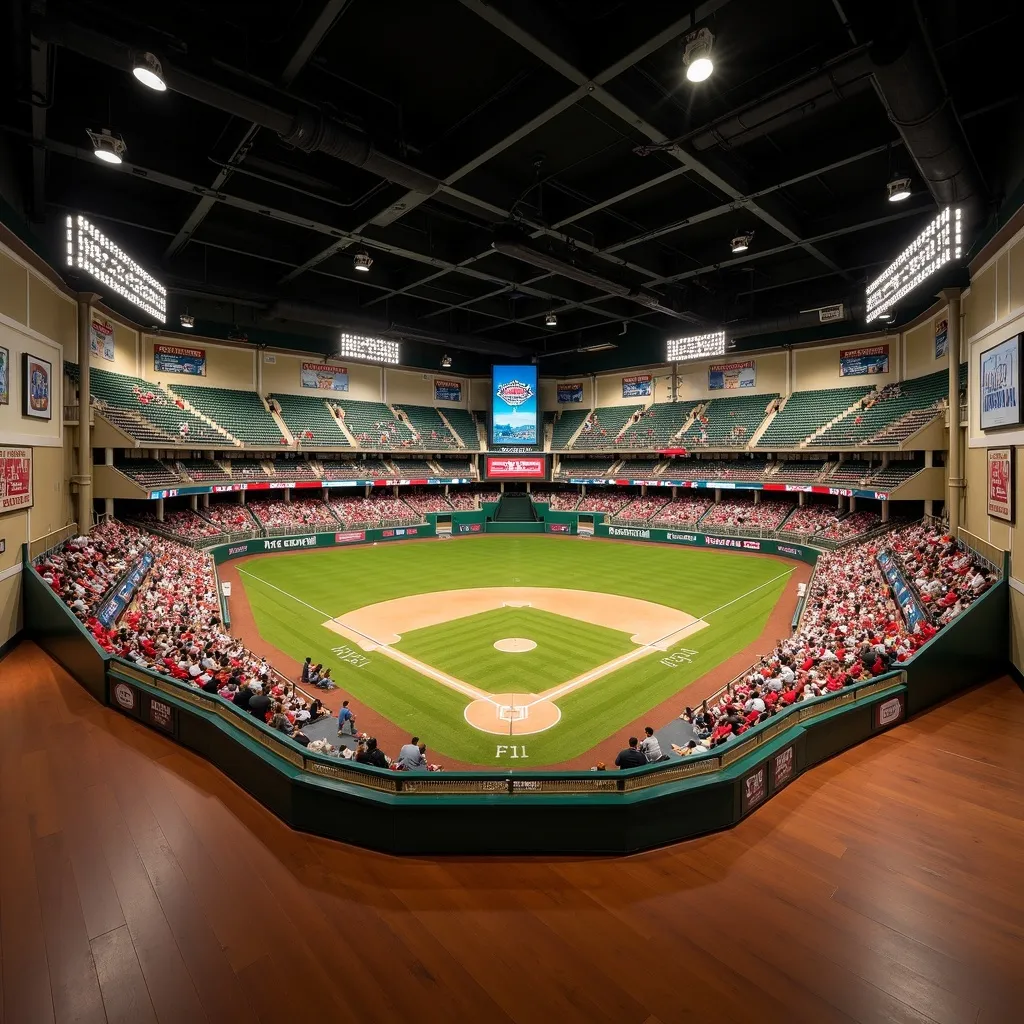
Over the decades, baseball's stadiums have evolved substantially to meet the evolving needs of fans and players alike. Traditional ballparks were straightforward, with wooden bleachers and minimal amenities, chiefly intended for the game itself. As the sport expanded in popularity, however, stadiums began to integrate additional features, such as better seating, concessions, and restrooms, elevating the overall experience.
The introduction of advanced systems led to substantial growth, including large-scale displays and upgraded sound systems. Structurally, stadiums underwent transformation from the symmetrical, traditional designs to increasingly bespoke, audience-centered arrangements, generating engaging atmospheres that embody local character. The proliferation of corporate partnerships also impacted construction, with VIP suites and upscale seating turning into a standard feature. Today, stadiums function as adaptable facilities, accommodating entertainment and functions outside of baseball, underscoring their versatility and relevance in American society. This transformation reveals not merely a activity, but a dynamic community center.
Family-Oriented-Pastimes at the National Ballpark Museum
The National Ballpark Museum delivers a range of family-friendly activities that celebrate the profound history of baseball and its notable stadiums. Families can enjoy immersive displays that encourage children to participate with the sport's history through hands-on displays. A exploratory hunt throughout the museum propels young visitors to browse artifacts and gain knowledge of legendary players and remarkable instances.
Moreover, the museum organizes educational workshops where children can practice their baseball skills, understand the science of the game, and join storytelling sessions about famous teams and their achievements. Notable occasions, such as family days, often showcase guest speakers from the baseball community, offering a personal touch to the experience. With its captivating environment and diverse activities, the National Ballpark Museum fosters a love for baseball, making it an ideal location for families looking to bond over America's favorite pastime.
Map Out Your Trip to the National Ballpark Museum
Curious about how to get the most from a visit to the National Ballpark Museum? Visitors are advised to check the museum's online platform for up-to-date hours and admission fees before organizing their visit. Located in Denver, Colorado, the museum is conveniently accessible via public transportation and offers adjacent parking options. It is recommended to dedicate at least two hours to tour the extensive exhibits, which display baseball history and memorabilia.
For people seeking a curated visit, the museum provides informative tours that investigate more deeply into the artifacts. Families can appreciate interactive displays, making it a remarkable experience for all ages. Additionally, guests should reflect on timing their visit to coincide with special events or changing displays for an better experience. Finally, the museum shop provides unique souvenirs for enthusiasts to take home, ensuring that the visit creates a permanent mark.
Frequently Asked Questions
What Is the Museum's Business Hours?
The museum is open from 10 AM to 5 PM, Tuesday through Sunday. It stays shut on Mondays, giving staff to maintain exhibits and get ready for the next day's patrons interested to explore its attractions.
Is There an Admission Fee for the Museum?
The museum charges a slight entry charge for entry. Guests can enjoy a abundant collection of historical artifacts and exhibits, strengthening their grasp of the sport's significance on American culture and history.
Do guided tours operate at the Museum?
Offered guided excursions at the museum provide visitors an thorough experience. Knowledgeable guides present insights and anecdotes about the collections, deepening the understanding of baseball history and its cultural significance.
Can I Buy Souvenirs at the Museum?
You can buy souvenirs at the gallery. Guests will find a selection of souvenirs, such as wearables, keepsakes, and themed goods, letting them to take home a piece of the experience from their time there.
Can You Access the Museum with a Mobility Device?
The museum maintains wheelchair accessibility, guaranteeing that all visitors can navigate its exhibits comfortably. Designated ramps and accessible routes are offered, advancing inclusive practices and enabling everyone to enjoy the rich history presented within its walls.